Most projects start with the how. I start with the what.

I work out what your business actually needs from its systems, write it down so nobody can misread it, and then make sure that is what gets delivered. Either I build it myself, or I sit on your side of the table while your delivery partner does.

Too many projects choose the platform first. The requirements get shaped around it.

The platform gets picked, the partner gets appointed, and only then do the workshops start working out what's actually needed. Sometimes adapting the business to the software is the right call. But it should be a decision you make knowingly, not something you discover halfway through delivery. I work the other way round: understand what the business needs, write it down properly, and only then decide how it gets delivered.

Three ways in.

Wherever you're starting from

You're not sure what you need yet.

You know there's a better way of working, but not what it looks like, what it involves or where to start. That's the what, and it's where I begin.

  • Talk to the people doing the work, not just the people managing it.
  • Map how the business really runs, including the workarounds.
  • Write a plain-English specification of what you need, independent of any platform.
  • Give you an honest recommendation on how to deliver it.

You own the specification, whoever ends up delivering it.

Start the conversation

For growing businesses

You need the system built.

The spreadsheet has forty tabs. The off-the-shelf package never fitted. I design and build the operational system your business runs on, then stay involved once it's live.

  • Discovery and a signed specification before anything is built.
  • A fixed quote for the build, agreed up front.
  • One person from the first conversation through to support.
  • Built on mainstream, well-supported technology that fits what you already run.

No account managers, no hand-offs. You talk to the person building it.

Start the conversation

For larger organisations

You have a platform and a partner.

You've committed to Dynamics 365, Salesforce or an ERP, and a partner to deliver it. What's missing is someone senior on your side who understands how your operation really runs and how the system is being built.

  • Map how the work actually happens, with the people who do it.
  • Turn that into requirements and specifications your partner can build against.
  • Review designs, estimates and change requests before you sign them.
  • Test what's delivered against what was agreed.

A technical lead who works for you, not the supplier, without adding one to your payroll.

Start the conversation

And when the business can't wait.

Sometimes the main platform is months away and the operation needs something now. I build bridging systems that close the gap quickly and hand over cleanly when the permanent system lands.

Recent work.

Different sectors, the same problem underneath: a process that lived in inboxes, spreadsheets and a few people's heads.

Built

Order management for a building manufacturer.

Every order was a custom specification, priced and tracked across spreadsheets and email. I built one system that configures and prices each building, schedules deliveries and keeps the accounts in step. It replaced the spreadsheet-and-email process entirely and is in daily use across the business.

Built

Survey platform for a specialist surveying firm.

Tablet-based site capture feeding automated report generation and the back office. Survey-to-report turnaround went from days to hours.

Built

Case management for an educational psychology practice.

Parent booking, information gathering, consent capture and document generation, replacing a process that lived in inboxes and shared drives.

How an engagement runs.

  1. A conversation

    Thirty minutes. You tell me where things are now and where you want them to be. I tell you honestly whether I can help.

  2. Discovery

    A paid, fixed piece of work. I talk to the people doing the job and map how things really run.

  3. A specification you sign

    Plain English the people running your business can read, challenge and approve. It stays the source of truth.

  4. Delivery

    I build it, or I hold your partner to it. Either way, I'm there when it goes live.

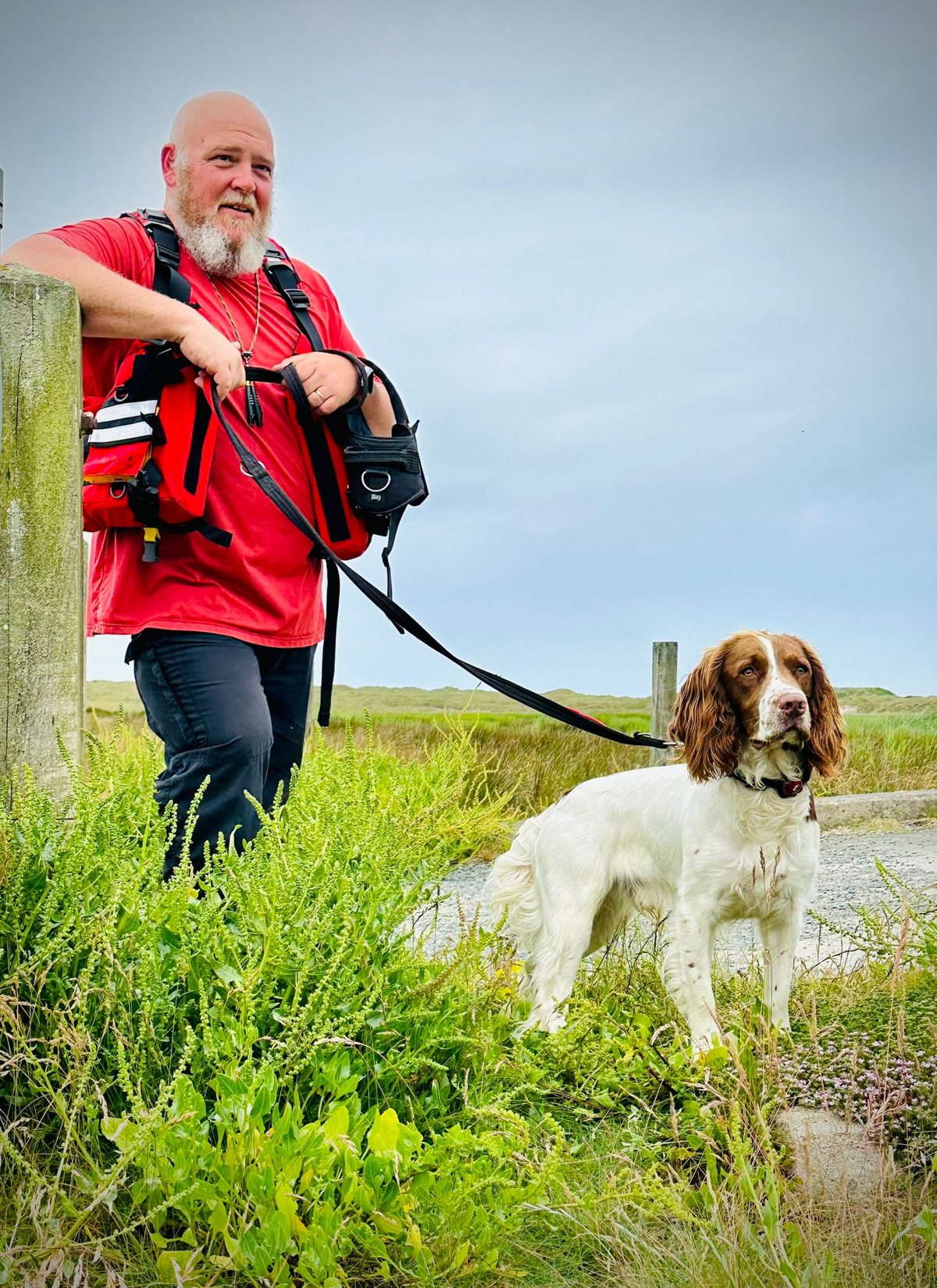
Simon Brothwood with Bertie, his springer spaniel
Simon, with Bertie. He's in the office most days.

I'm Simon.

I didn't start in software. I started as a satellite engineer, ran my own service business on national contracts, then spent more than a decade running operations and programmes inside other people's companies.

I build systems now because I spent years on the receiving end of ones that didn't fit. GNU is deliberately a one-person practice: the person you speak to is the person doing the work.

Outside work I'm a search manager in mountain rescue, and Bertie is a qualified human remains detection dog. Planning a search and planning a system need the same thing first: understand the ground before you send anyone into it.

More about me

Let's start with the what.

Tell me a little about where things are now and where you'd like them to be. I'll be in touch soon to arrange a 30-minute call. No obligation, and if I'm not the right fit I'll say so and point you to someone who is.

Rather talk now? 01873 377 075

Where are you starting from?